Your Journey, Our Expertise...
Menu

Sightseeing and hikking with nepal voyage reks 12 days fullbord 1150 euro

13 Days • easy • Best season: march to may .september o december

Overview

11 Days Nepal Heritage, Pokhara, Village Trek, Lumbini & Chitwan Tour

Trip Overview

This 11-day journey combines Nepal's rich cultural heritage, Himalayan scenery, traditional village life, wildlife adventure, and the birthplace of Lord Buddha. The tour begins in Kathmandu with visits to UNESCO World Heritage Sites before continuing to the beautiful city of Pokhara. A short village trek through Astam and Australian Camp offers magnificent Himalayan views and authentic local culture. The journey continues to the sacred city of Lumbini and the wildlife paradise of Chitwan National Park before returning to Kathmandu for your international departure.

Sightseeing and hikking with nepal voyage reks 12 days fullbord 1150 euro

Trekking & Hiking Adventure

Duration 12
Grade Easy
Meal B/L/D
Group Size 1-30
Accomodation Hotel
Best Season March to may .september o december
Start/End Ktm to ktm
Max Altitude 1500m
Activity Sightseeing and light hikking also
Day 1 — Welcome to Nepal – Arrival at Tribhuvan International Airport (Kathmandu, 1,400 m)
Ups ↑ -00 m
Down ↓ -00 m
Elevation 1350 m
Distance ⟺ 6-7 km

Welcome to Nepal!

Upon your arrival at Tribhuvan International Airport, Kathmandu, our friendly representative and professional trekking guide from Nepal Voyage Treks will be waiting for you at the airport arrival terminal to warmly welcome you with a personalized name board.

After meeting our team, you will be transferred comfortably to your hotel in Kathmandu by a private tourist vehicle. Transportation will be arranged according to your group size and requirements, including:

  • Private Car for individuals or small groups
  • Van for medium-sized groups
  • Hiace vehicle for family and group travelers
  • Private Jeep for special routes or small groups
  • Tourist Bus for large groups

Our team will assist you with your luggage and ensure a smooth and comfortable transfer from the airport to your hotel.

After hotel check-in, you can relax and recover from your international journey. Our guide will provide a short briefing about your upcoming Nepal adventure, including the itinerary, departure time, safety information, and important travel details.

Welcome Dinner – Traditional Nepali Cultural Experience

In the evening, Nepal Voyage Treks invites you to enjoy a special welcome dinner at a traditional Nepali restaurant.

You will experience authentic Nepali hospitality while enjoying traditional Nepali cuisine, including:

  • Dal Bhat (rice, lentil soup, vegetables, pickles, and curry)
  • Traditional Nepali snacks
  • Local flavors and spices
  • Vegetarian and non-vegetarian options

During dinner, you may also enjoy a cultural performance featuring traditional Nepali music and dance, giving you your first introduction to Nepal's rich culture and warm hospitality.

After dinner, return to your hotel and prepare for your unforgettable journey through Nepal's Himalayas, heritage sites, wildlife, and local communities.

Accommodation: Hotel in Kathmandu
Transportation: Private vehicle according to group size
Meals: Welcome Dinner
Services: Airport pickup, hotel transfer, guide assistance, and tour briefing

Welcome to Nepal – Namaste and enjoy your journey with Nepal Voyage Treks!

Accomodation: hotel
Meals: dinner
Duration: 30m
Day 2 — Full-Day Kathmandu UNESCO World Heritage Sightseeing Tour
Ups ↑ -00 m
Down ↓ -00 m
Elevation 1350 m
Distance ⟺ 8km

Full-Day Kathmandu UNESCO World Heritage Sightseeing Tour

After breakfast, your professional cultural guide will take you on a full-day sightseeing tour of Kathmandu Valley, the cultural heart of Nepal. Kathmandu Valley is home to seven UNESCO World Heritage Sites, and during this tour you will visit the most important six heritage monuments: Pashupatinath Temple, Boudhanath Stupa, Swayambhunath Stupa, Kathmandu Durbar Square, Patan Durbar Square, and Bhaktapur Durbar Square.

The sightseeing tour provides a wonderful introduction to Nepal’s ancient history, religious harmony, traditional architecture, art, and local lifestyle.


Pashupatinath Temple

Your first visit is Pashupatinath Temple, the most sacred Hindu temple in Nepal dedicated to Lord Shiva. Located beside the holy Bagmati River, this UNESCO World Heritage Site is one of the most important pilgrimage destinations for Hindus from Nepal and around the world.

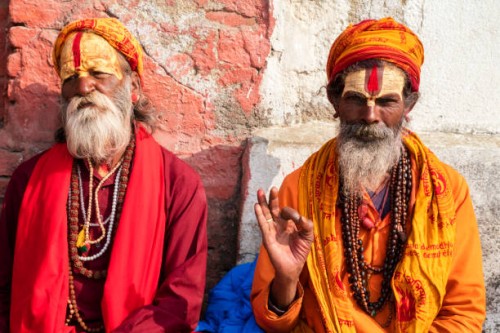
The temple complex contains hundreds of ancient shrines, statues, monasteries, and traditional pagoda-style architecture. Visitors can observe Hindu religious ceremonies, holy men (Sadhus), and traditional cremation rituals along the riverbank.

The spiritual atmosphere of Pashupatinath provides a deep understanding of Nepal’s Hindu culture and traditions.


Boudhanath Stupa

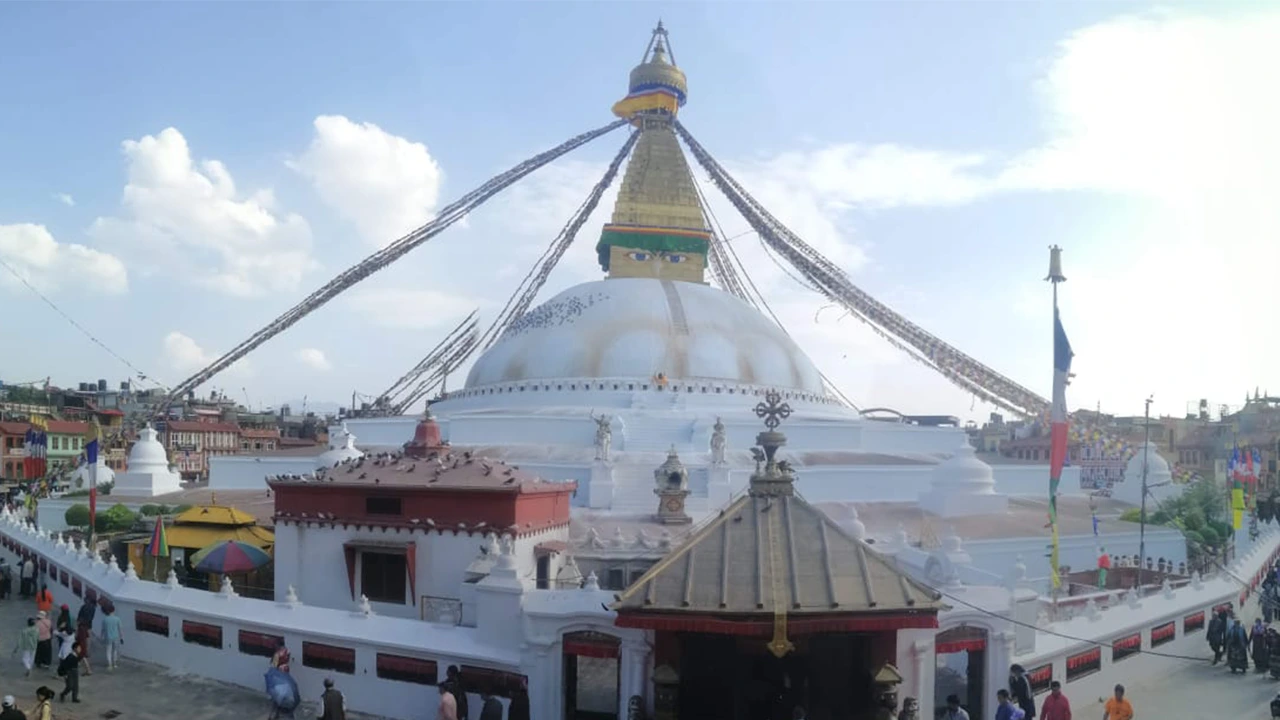
Continue to Boudhanath Stupa, one of the largest Buddhist stupas in the world and an important center of Tibetan Buddhism.

The magnificent white dome, golden spire, colorful prayer flags, prayer wheels, and surrounding monasteries create a peaceful spiritual environment. You can observe monks and pilgrims walking clockwise around the stupa while praying and spinning prayer wheels.

Boudhanath is one of the best places to experience Buddhist culture, Tibetan traditions, and Nepal’s religious diversity.


Swayambhunath Stupa (Monkey Temple)

Next, visit Swayambhunath Stupa, one of the oldest Buddhist monuments in Nepal, located on a hilltop overlooking Kathmandu Valley.

The stupa is famous for the Buddha’s all-seeing eyes, golden tower, ancient shrines, prayer flags, and many monkeys living around the temple area.

From the top of the hill, you can enjoy panoramic views of Kathmandu city and surrounding hills. On clear days, distant Himalayan ranges including Langtang Himal, Ganesh Himal, and Dorje Lakpa can be seen.


Kathmandu Durbar Square

The tour continues to Kathmandu Durbar Square, the historical royal palace area of Nepal’s former Malla Kings.

This UNESCO World Heritage Site is famous for ancient temples, royal courtyards, beautifully carved wooden architecture, Hanuman Dhoka Palace, and Kumari Ghar, the residence of the Living Goddess Kumari.

The square represents Nepal’s rich history, traditional art, festivals, and Newari culture.


Patan Durbar Square (Optional)

Visit Patan Durbar Square, located in Lalitpur city, famous for its artistic beauty and traditional craftsmanship.

Known as the “City of Fine Arts,” Patan is famous for Krishna Temple, Golden Temple, palace museums, bronze statues, metalwork, and beautiful Newari architecture.

Visitors can experience Nepal’s ancient artistic skills and cultural traditions.


Bhaktapur Durbar Square (Optional)

The final heritage site is Bhaktapur Durbar Square, one of Nepal’s best-preserved medieval cities.

Bhaktapur is famous for Nyatapola Temple, 55-Window Palace, Golden Gate, Pottery Square, traditional houses, and Newari culture.

Visitors can walk through old brick streets, observe local artisans, taste the famous Juju Dhau (King Curd), and experience authentic medieval Nepal.


Day 1 Technical Information

Starting Elevation: 1,350 m
Maximum Elevation: Approximately 1,400 m (Swayambhunath Hill)

Driving Distance: Approximately 35–45 km
Walking Distance: 4–6 km
Duration: 7–8 hours

Ascent: Approximately 100 m
Descent: Approximately 100 m

Trail Condition:
Easy walking on paved roads, stone courtyards, temple stairs, old city streets, and heritage pathways.

Mountain Views (weather permitting):

  • Langtang Lirung (7,227 m)
  • Ganesh Himal Range
  • Dorje Lakpa (6,966 m)
  • Gaurishankar Range

Flora:

  • Peepal trees
  • Banyan trees
  • Pine trees
  • Temple gardens
  • Seasonal flowers

Fauna:

  • Rhesus monkeys
  • Pigeons
  • Himalayan birds
  • Butterflies
  • Local urban wildlife

Accommodation: Hotel in Kathmandu
Meal: Breakfast


Accomodation: hotel
Meals: B/L/D
Duration: 7–9 hours
Day 3 — Kathmandu to pokhara drive or airplain
Ups ↑ -00 m
Down ↓ -400 m
Elevation 850 m
Distance ⟺ 200km

Trip Duration & Road Conditions

  • The Reality of the Drive: Although 200 km sounds short, the drive typically takes 7 to 9 hours (and sometimes longer if there is heavy traffic leaving the Kathmandu Valley or active road work).

  • Road Status: You will travel along the Prithvi Highway. Sections of this highway have been undergoing major expansion and upgrading. This means you should expect a mix of smooth asphalt, bumpy dirt stretches, and occasional dusty patches.

  • Why Private is Best: A private vehicle is significantly faster and more comfortable than a tourist or local bus. You can easily dodge the worst of the dust by keeping the windows up and the AC on.

2. Scenic Highlights Along the Way

The drive is incredibly scenic as it winds down from the Kathmandu hills and follows major river valleys:

  • Trishuli and Marshyangdi Rivers: You will drive alongside these roaring, glacial-fed rivers, popular for white-water rafting.

  • Terraced Hillsides & Villages: You'll pass through vibrant highway towns like Galchhi, Mugling, and Dumre, surrounded by lush green terraces and local markets.

  • Himalayan Peeks: On a clear day, as you approach the final stretch near Pokhara, the snow-capped peaks of the Annapurna range and Mount Machhapuchhre (Fishtail) will start to frame the horizon.

3. The Perks of Going Private

  • Custom Stops: You can pull over whenever you want to take photos, stretch your legs, or buy fresh local fruits (like sweet oranges in Mugling).

  • Better Food Options: Instead of being forced to eat where the tourist buses stop, you can ask your driver to stop at cleaner, high-quality resort restaurants along the highway for a relaxed lunch.

  • Door-to-Door Service: You get picked up directly from your hotel or Kathmandu Airport and dropped off right at your lakeside hotel in Pokhara, completely bypassing the chaotic bus parks.

4. Vehicle Options & Estimated Costs (Approx. 2026 Rates)

Prices generally include fuel, highway tolls, and the driver’s expenses:

Accomodation: hotel
Meals: B/L/D
Duration: 6–7 hours
Day 4 — full day sightseeing in pokhara
Ups ↑ -00 m
Down ↓ -00 m
Elevation 850 m
Distance ⟺ 15km

This full-day Pokhara itinerary is tailored for international clients who appreciate a seamless, culturally rich, and historical journey using a private vehicle. Traveling by private vehicle ensures maximum comfort, safety, and efficiency while navigating between these famous natural and cultural landmarks.


Devi's Fall Pokhara

4.0

📍 Tourist attraction

Closed· Opens 6:00 AM Fri

Devi's Fall Pokhara Click to open side panel for more information

Devi's Fall, locally known as Patale Chhango (Hell's Falls), is a dramatic waterfall where the Pardi Khola river completely vanishes into an underground tunnel. Historically, its modern name originates from a tragic event in 1961, when a Swiss tourist named Davi was swept away into the underground cavern while bathing with her husband. The site is a fascinating geological marvel that showcases the powerful forces of nature carving through Pokhara's limestone foundations.

  • Key Features: Witness the raging torrent abruptly disappearing into a deep, dark subterranean abyss.

  • Client Appeal: Beautifully landscaped viewing gardens and a traditional model of a Nepali village make it excellent for photography.

  • Logistics: Highly accessible parking for private vehicles, with a paved walkway leading directly to the safe, fenced viewing platforms.


Bat Cave (Chamero Gufa)

4.2

📍 Tourist attraction

Closed· Opens 9:00 AM Fri

Bat Cave (Chamero Gufa) Click to open side panel for more information

Discovered in 1983, the Bat Cave is a natural solutional limestone cave nestled in a forested area on the northern edge of the city. It serves as a crucial ecological sanctuary, providing a dark, damp habitat for thousands of indigenous Horseshoe bats that cling to the ceilings. Culturally, the cave features internal rock shapes resembling Hindu deities, and local lore dictates that navigating its challenging, narrow exit chute cleanses a person of their sins.

  • Key Features: Home to massive colonies of bats visible by flashlight, alongside ancient stalactite and stalagmite formations.

  • Client Appeal: Provides a thrill of raw adventure and an intimate look at a protected wildlife ecosystem.

  • Logistics: The entry path has steps, but inside is dark, slippery, and uneven; hiring a local guide with a powerful flashlight at the entrance is mandatory for international guests. The narrow vertical climb out of the exit can be bypassed by returning via the main entrance for comfort.


International Mountain Museum

4.4

🏛️ Museum

Closed· Opens 9:30 AM Fri

International Mountain Museum Click to open side panel for more information

The International Mountain Museum is the historical anchor of this tour, dedicated entirely to the mountains of Nepal and the brave mountaineers who first conquered them. Opened officially in 2004, this massive complex captures the living history, diverse indigenous cultures, and geological evolution of the Himalayas. It serves as a profound educational experience that explains the deep global obsession with Nepal’s 14 highest peaks.

  • Key Features: Comprehensive historical displays on famous expeditions (such as Hillary and Tenzing), mountain gear evolution, and exhibits honoring the Sherpa people.

  • Client Appeal: Offers a wealth of knowledge, cultural galleries showcasing regional ethnic attire, and a massive outdoor model of Mount Manaslu.

  • Logistics: Fully accessible with extensive paved private parking, clean international-standard restrooms, and an indoor layout that offers a relaxing, climate-controlled break during the heat of midday.


Phewa Lake

4.7

📍 Lake

Phewa Lake Click to open side panel for more information

Phewa Lake is the crown jewel of Pokhara, a serene freshwater lake that mirrors the snow-capped Annapurna and Machhapuchhre (Fishtail) mountain ranges. Historically, it has been the lifeblood of the valley’s ecosystem and is culturally significant due to the Tal Barahi Temple, a two-story pagoda-style Hindu temple dedicated to Goddess Durga, situated on a small island in the center of the lake.

  • Key Features: A tranquil boat ride on traditional wooden boats (Doongas) across the calm waters, offering a peaceful view of the lakeside hills.

  • Client Appeal: The perfect, relaxing finale to a busy day where clients can enjoy the sunset over the water and visit the island shrine.

  • Logistics: The private vehicle can drop clients right at the Lakeside boat pier. From there, clients can embark on a private, certified boating experience with life jackets provided.

Recommended Itinerary Flow for Private Transport

  1. 09:00 AM – 10:15 AM: Start fresh at the Bat Cave on the northern side while energy levels are high for walking through the cavern.

  2. 10:45 AM – 12:00 PM: Drive south to explore the powerful waters and history of Devi's Fall.

  3. 12:15 PM – 02:15 PM: Head to a premium Lakeside or museum-side restaurant for an international lunch.

  4. 02:30 PM – 04:30 PM: Spend the warm afternoon exploring the spacious, indoor galleries of the International Mountain Museum.

  5. 05:00 PM – 06:15 PM: Drive to Lakeside for a relaxing, private sunset boating trip on Phewa Lake, concluding the day perfectly.

Would you like recommendations on premium lunch spots along the route that cater well to international dietary preferences?

Accomodation: hotel
Meals: B/L/D
Duration: 6–7 hours
Day 5 — Pokhara to Astam Village (Trek & Stay) possible hotel also
Ups ↑ +630m ascent / m
Elevation 1530 m
Distance ⟺ 6 km hike

Pokhara to Astam Village (Trek & Stay)


Astam

The journey begins with a short, scenic drive from your hotel in Pokhara to Milan Chowk, the starting point of the trek. From here, the path climbs gently through rural foothills, inviting clients into the tranquil daily rhythms of the traditional Gurung and Adhikari communities. As guests ascend the ridge toAstam Click to open side panel for more information, they are welcomed into an eco-village renowned for its sustainable farming practices and stunning 360-degree mountain panoramas. The evening settles in with a peaceful sunset over the peaks, followed by an authentic organic dinner sourced directly from the surrounding gardens.

  • Trekking & Route Statistics:

    • Elevation: Starts at 820m (Pokhara) / Trek starts at 900m (Milan Chowk) and ends at 1,530m (Astam).

    • Distance & Time: 15 km drive (approx. 45 minutes) followed by a 6 km hike taking 3 to 4 hours.

    • Ascent & Descent: +630m ascent / Minimal descent.

  • Trail Conditions: Well-graded rural dirt tracks and stone steps that ascend gradually through terraced farmlands, suitable for all fitness levels.

  • Flora & Fauna: Terraced mustard fields, millet crops, banana groves, and local livestock. It is an excellent spot for spotting colorful butterflies and Himalayan bulbuls.

  • Mountains Visible: Annapurna South, Machhapuchhre (Fishtail), Annapurna II, and Lamjung Himal.

Accomodation: guest house ,,, hotel
Meals: B/L/D
Duration: 3 to 4 hours.
Day 6 — Astam to Pothana or Australian Camp
Ups ↑ +530m m
Down ↓ -100 m
Elevation 2060 m
Distance ⟺ 10 km,

Astam to Pothana or Australian Camp


Pothana

Waking up to a golden sunrise over the peaks, clients enjoy an alfresco breakfast before setting off along the lush ridgeline trail towardPothana Click to open side panel for more information andAustralian Camp Click to open side panel for more information. The trail weaves deep into dense forests, offering a refreshing canopy of shade and the soothing sounds of wilderness. The narrative shifts from rural farmland to the pristine, moss-covered wilderness of the Annapurna Conservation Area. Arriving at the high clearing of Australian Camp, guests are treated to an astonishingly close, unobstructed wall of snow-capped mountains that feel close enough to touch.

  • Trekking & Route Statistics:

    • Elevation: Starts at 1,530m (Astam) and ascends to 2,060m (Australian Camp Click to open side panel for more information.

    • Distance & Time: Approximately 10 km, taking 4.5 to 5.5 hours of steady trekking.

    • Ascent & Descent: +530m net ascent, with rolling dips along the ridge.

  • Trail Conditions: Forest paths layered with exposed tree roots, dirt single-tracks, and sections of beautifully laid stone steps under the jungle canopy.

  • Flora & Fauna: Enormous rhododendron trees, oak forests, orchids, and vibrant mosses. Keep an eye out for rhesus macaques, barking deer, and laughingthrushes.

  • Mountains Visible: Formidable views of Mount Hiunchuli, Annapurna South, Machhapuchhre, and the Dhaulagiri range in the distance.


Accomodation: guest house hotel
Meals: B/L/D
Duration: 4.5 to 5.5 hours
Day 7 — Australian Camp to Kande (Trek) & Drive to Pokhara
Ups ↑ +100m m
Elevation 850 m
Distance ⟺ 2.5 km walk (exactly 1 hour of continuous descent) followed by a 28 km drive (approx. 1 hour).

Australian Camp to Kande (Trek) & Drive to Pokhara


Kande

4.6

🥾 Hiking area

Open

The morning opens with a glorious alpine sunrise illuminating the Annapurna sanctuary. After taking photographs and enjoying a warm breakfast, clients begin an easy, purely downhill trek toward the roadside settlement ofKande Click to open side panel for more information. The walk is smooth and quick, serving as a gentle conclusion to the trekking portion of the itinerary. At Kande, the private group vehicle is waiting to seamlessly transport the clients back to Pokhara, where they can enjoy a relaxing afternoon shopping lakeside, getting a massage, or enjoying café culture.

  • Trekking & Route Statistics:

    • Elevation: Descends from 2,060m (Australian Camp Click to open side panel for more information down to 1,770m (Kande), then drives back to 820m (Pokhara).

    • Distance & Time: 2.5 km walk (exactly 1 hour of continuous descent) followed by a 28 km drive (approx. 1 hour).

    • Ascent & Descent: 0m ascent / -290m trekking descent.

  • Trail Conditions: Wide, very stable, and well-maintained stone steps descending steadily through light forest and small pastures down to the highway.

  • Flora & Fauna: Pine clusters, stinging nettle, and open grazing pastures. Sightings of soaring birds of prey like the Egyptian vulture or Black kite are common.

  • Mountains Visible: A parting view of the Annapurna range during the early morning before descending into the valley.

Accomodation: hotel
Meals: B/L/D
Duration: 2.5 km walk ,,,,,by a 28 km drive (approx. 1 hour).
Day 8 — Pokhara to Lumbini (Overland Tour Transfer)
Ups ↑ winding descent out of the hills into the flat Terai plains. m
Down ↓ -00 m
Elevation 820 m
Distance ⟺ Approximately 200 km overland drive, taking 6 to 7 hours depending on road conditions.

Pokhara to Lumbini (Overland Tour Transfer)


Lumbini

Leaving the mountains behind, the group boards their private vehicle for a cross-country journey traveling south toward the tropical Terai plains. The drive shifts dramatically from mountain terrain to the winding Siddhartha Highway, slicing through deep river valleys, local bazaars, and eventually flattening out into the vast, warm plains of southern Nepal. The story of the trip transforms here from an active mountain adventure into a profound historical and spiritual pilgrimage as the group arrives inLumbini Click to open side panel for more information, the sacred birthplace of Lord Buddha.

  • Tour & Route Statistics:

    • Elevation: Descends fro m 820m(Pokhara) to roughly 150m (Lumbini).

    • Distance & Time: Approximately 200 km overland drive, taking 6 to 7 hours depending on road conditions.

    • Ascent & Descent: Long, winding descent out of the hills into the flat Terai plains.

  • Trail/Road Conditions: Winding hilly asphalt highway that transitions into flat, wide plains roads. Occasional bumpy or under-construction segments require a sturdy vehicle.

  • Flora & Fauna: Transition from sub-alpine pine hills to sub-tropical Sal forests, massive Banyan trees, and open agricultural plains filled with rice paddies.

  • Mountains Visible: The hills block out the high peaks early in the drive; the destination is flat plains.

Day 5: Full Day Sightening in Lumbini

This day is dedicated to deep historical and cultural exploration within the UNESCO World Heritage Sacred Garden. Moving smoothly between sites via the private vehicle or an optional electric rickshaw, international clients will uncover the history of Buddhism. The centerpiece of the day is the Maya Devi Temple, marking the exact spot where Prince Siddhartha Gautama was born in 623 B.C. Clients will spend the day walking among ancient ruins dating back over two millennia and exploring the Monastic Zone, which features beautifully designed temples constructed by Buddhist nations from all over the world.

  • Tour & Route Statistics:

    • Elevation: Reminiscent at a flat 150m above sea level.

    • Distance & Time: 5 to 8 km of leisurely walking and driving throughout the temple zones across 6 to 7 hours.

    • Ascent & Descent: Completely flat 0m.

  • Trail/Park Conditions: Beautifully paved brick walkways, grassy archaeological parks, and clean, flat gravel paths inside the sacred monastic zones.

  • Flora & Fauna: The sacred Bodhi trees, eternal peace flame gardens, and the nearby Lumbini Crane Sanctuary, which is home to the rare Sarus crane and blue bulls (Nilgai).

  • Mountains Visible: None. The landscape is defined by vast plains and wide horizons.

Accomodation: hotel
Meals: B/L/D
Duration: Approximately 200 km overland drive, taking 6 to 7 hours depending on road conditions.
Day 9 — Full Day Sightening in Lumbini
Ups ↑ -00 m
Down ↓ -00 m
Elevation 820 m
Distance ⟺ 5-8km total

Full Day Sightening in Lumbini

This day is dedicated to deep historical and cultural exploration within the UNESCO World Heritage Sacred Garden. Moving smoothly between sites via the private vehicle or an optional electric rickshaw, international clients will uncover the history of Buddhism. The centerpiece of the day is the Maya Devi Temple, marking the exact spot where Prince Siddhartha Gautama was born in 623 B.C. Clients will spend the day walking among ancient ruins dating back over two millennia and exploring the Monastic Zone, which features beautifully designed temples constructed by Buddhist nations from all over the world.

  • Tour & Route Statistics:

    • Elevation: Reminiscent at a flat 150m above sea level.

    • Distance & Time: 5 to 8 km of leisurely walking and driving throughout the temple zones across 6 to 7 hours.

    • Ascent & Descent: Completely flat 0m.

  • Trail/Park Conditions: Beautifully paved brick walkways, grassy archaeological parks, and clean, flat gravel paths inside the sacred monastic zones.

  • Flora & Fauna: The sacred Bodhi trees, eternal peace flame gardens, and the nearby Lumbini Crane Sanctuary, which is home to the rare Sarus crane and blue bulls (Nilgai).

  • Mountains Visible: None. The landscape is defined by vast plains and wide horizons.


Accomodation: hotel
Meals: B/L/D
Duration: 3 hours
Day 10 — Lumbini to Chitwan National Park (Overland Transfer)
Ups ↑ Ascent & Descent: Completely flat driving across the Terai belt. m
Down ↓ -00 m
Elevation 150 m
Distance ⟺ Distance & Time: Roughly 140 km drive, taking 4 to 5 hours of smooth

Lumbini to Chitwan National Park (Overland Transfer)


Chitwan National Park

4.4

🏞️ National park

After breakfast, the tour transitions from spiritual history to raw wildlife adventure. The private vehicle cruises eastward along the flat East-West Highway toward the lush jungles ofChitwan National Park Click to open side panel for more information. Arriving at a premium jungle resort by midday, clients receive a briefing over a refreshing drink. The afternoon features a walk through a traditional Tharu village, introducing clients to the indigenous culture of the lowlands, capped off by a tranquil sunset walk along the banks of the Rapti River.

  • Tour & Route Statistics:

    • Elevation: Moves from 150m (Lumbini) to around 150m–200m (Chitwan).

    • Distance & Time: Roughly 140 km drive, taking 4 to 5 hours of smooth overland travel.

    • Ascent & Descent: Completely flat driving across the Terai belt.

  • Trail/Road Conditions: Generally smooth highway driving across flat terrain directly to the sub-tropical resort towns of Sauraha or Kasara.

  • Flora & Fauna: Thick thatch grasslands, massive elephant apple trees, and towering Sal forests. You may spot mugger crocodiles sunning along the riverbanks.

  • Mountains Visible: None; surrounded by rich, dense jungle canopies.

Accomodation: hotel
Meals: B/L/D
Duration: 140 km drive, taking 4 to 5 hours of smooth overland travel.
Day 11 — Full Day Wildlife Sightseeing in Chitwan National Park
Ups ↑ Ascent & Descent: Flat terrain with minor dirt riverbed dips. m
Elevation -100 m
Distance ⟺ Distance & Time: 40 to 50 km covered inside the park via jeep safari over a full

Full Day Wildlife Sightseeing in Chitwan National Park

A thrilling day of pure safari adventure. Clients plunge deep into the heart of the ancient jungle on a private 4x4 open-top jeep safari, tracking the secretive wildlife that rules this landscape. The day includes a peaceful dugout canoe ride down the river to see aquatic birds and crocodiles, a visit to an elephant sanctuary, and an evening vibrant with the sticks and drums of a traditional Tharu cultural dance performance.

  • Tour & Route Statistics:

    • Elevation: Stable at 150m within the protected park interior.

    • Distance & Time: 40 to 50 km covered inside the park via jeep safari over a full 7 to 8-hour activity day.

    • Ascent & Descent: Flat terrain with minor dirt riverbed dips.

  • Trail/Park Conditions: Rugged, muddy, and dusty dirt tracks inside the deep jungle reserve, navigated safely from comfort inside the safari vehicle.

  • Flora & Fauna: The sanctuary of the endangered Greater One-horned Rhinoceros, Royal Bengal Tiger, Sloth Bear, Wild Boar, and over 500 species of birds, alongside Gharial crocodiles.

  • Mountains Visible: None.

Accomodation: hotel
Meals: B/L/D
Duration: 7 to 8-hour activity day.
Day 12 — Chitwan to Kathmandu (Overland Transfer)
Ups ↑ Ascent & Descent: A prolonged, steady road ascent climbing back up into the hills. m
Elevation 1350 m
Distance ⟺ Distance & Time: 170 km drive, taking roughly

Chitwan to Kathmandu (Overland Transfer)


Kathmandu

The tour begins its final chapter as the private vehicle turns north, climbing back out of the plains along the Prithvi Highway toward the vibrant capital city ofKathmandu Click to open side panel for more information. The route follows the rushing waters of the Trishuli River, a famous hotspot for white-water rafting. As the vehicle scales the rim of the Kathmandu Valley, clients are checked into a premium hotel for a final evening of souvenir shopping, packing, and a celebratory farewell dinner showcasing authentic Nepali hospitality.

  • Tour & Route Statistics:

    • Elevation: Climbs from 150m (Chitwan) up to 1,400m (Kathmandu).

    • Distance & Time: 170 km drive, taking roughly 5 to 6 hours depending on highway traffic flow.

    • Ascent & Descent: A prolonged, steady road ascent climbing back up into the hills.

  • Road Conditions: Busy mountain highway with winding turns and heavy traffic; the specialized tourist vehicle handles this terrain comfortably.

  • Flora & Fauna: Subtropical river valleys changing back into temperate pine and oak hillside vegetation as you near the valley rim.

  • Mountains Visible: On clear days, parts of the Ganesh Himal and Langtang range become visible as you crested the pass into Kathmandu.

Day 9: Hotel to International Airport Departure

The final day focuses on a smooth departure experience. According to the client’s international flight schedule, the designated private transport arrives at the hotel lobby to transfer the guests smoothly to Tribhuvan International Airport, concluding a diverse and memorable journey through the mountains, plains, and jungles of Nepal.

  • Tour & Route Statistics:

    • Elevation: 1,400m within Kathmandu.

    • Distance & Time: 5 to 10 km drive from the hotel hub (Thamel or similar) taking 20 to 45 minutes based on city traffic.

    • Ascent & Descent: Minimal city driving shifts.

  • Road/Trail Conditions: Standard urban city tarmac roads leading directly to the international departure terminal gates.

  • Flora & Fauna: Urban landscapes.

  • Mountains Visible: Distant, lingering views of the Langtang mountains framing the northern edge of the valley on a clear morning.

Would you like details on the premium hotel options or recommendations for top-rated restaurants in Lumbini and Chitwan to add to this proposal?

Accomodation: hotel
Meals: dinner
Duration: 5 to 6 hours depending on highway traffic flow.
Day 13 — Hotel to International Airport for Departure cpme as a guest go as a friend
Ups ↑ -00 m
Down ↓ -00 m
Elevation 1350 m
Distance ⟺ 6-7 km

Hotel to International Airport for Departure

The Story: The final day focuses on a smooth departure experience. Your private vehicle arrives at the hotel lobby timed perfectly with the clients' international flight schedules, transferring them comfortably to Tribhuvan International Airport for their onward journeys home.

  • Statistics: Elevation: 1,400m | Distance: 5–10 km | Time: 30–45 minutes | Ascent/Descent: 0m.

  • Flora & Fauna: Urban city environment.

  • Mountains Visible: Clear mornings offer a final view of the Langtang mountains framing the northern edge of the valley.

  • Trail/Road Conditions: Standard city tarmac roads directly to the departure gates.

Master 13-Day Statistics Summary

Day Route Segment Start Elev. End Elev. Distance / Time Trail/Road Condition Key Mountain Views
1 Arrival Kathmandu 1,400m 1,400m 5-10km / 45m Paved city tarmac Hidden by urban landscape
2 Kathmandu Tour 1,400m 1,400m 25km drive / 6h Paved roads & steps Langtang & Ganesh Himal (distant)
3 Kathmandu to Pokhara 1,400m 820m 200km drive / 7h Winding mountain highway Manaslu, Machhapuchhre
4 Pokhara Sightseeing 820m 820m 30km drive / 7h Smooth town roads Annapurna South, Fishtail reflection
5 Pokhara to Astam 820m 1,530m 15km drive / 6km hike Gradual dirt trails & steps 360° Annapurna Range
6 Astam to Australian Camp 1,530m 2,060m 10km trek / 5h Forest trails & roots Dhaulagiri, Hiunchuli, Annapurna
7 Australian Camp to Pokhara 2,060m 820m 2.5km hike / 28km drive Stable descending steps Morning alpine Annapurna wall
8 Pokhara to Lumbini 820m 150m 200km drive / 7h Winding highway to flat road Green hills fading to flat horizons
9 Lumbini Sightseeing 150m 150m 5-8km exploring / 6h Flat brick/gravel walkways None (Vast open plains)
10 Lumbini to Chitwan 150m 180m 140km drive / 5h Smooth flat highway None (Jungle surroundings)
11 Chitwan Jungle Safari 180m 180m 40-50km track / 8h Rugged, dusty jungle tracks None
12 Chitwan to Kathmandu 180m 1,400m 170km drive / 6h Winding mountain highway Ganesh Himal & Langtang range
13 Kathmandu Departure 1,400m
Accomodation: hotel
Meals: B/L/D
Duration: 30m
Cost Includes
Cost Includes
  • Private airport transfers to and from Tribhuvan International Airport, Kathmandu
  • Luxury hotel accommodations in Kathmandu and Nagarkot with breakfast included
  • Private guided sightseeing throughout the Kathmandu Valley, including all listed temples, stupas, and Durbar Squares
  • Entrance fees to all UNESCO World Heritage Sites and monuments mentioned in the itinerary
  • Private vehicle and driver for all sightseeing days and transfers
  • All taxes and service charges at hotels and transportation
  • Cultural experiences such as visits to local farms and interaction with artisans
  • English-speaking professional guide providing historical, cultural, and spiritual insights
  • Daily breakfast at hotels or lodges
  • Assistance with itinerary planning and travel arrangements
 
Cost Excludes
Cost Excludes
  • International flights to and from Nepal
  • Nepal entry visa fees
  • Lunch and dinner meals unless specified
  • Beverages, bottled water, and personal expenses
  • Optional mountain flight over the Himalayas (approx. $240 per person)
  • Tips and gratuities for guides, drivers, and hotel staff
  • Travel insurance including medical and emergency evacuation
  • Souvenirs, shopping, or optional activities not mentioned in the itinerary
  • Personal trekking or photography equipment rental
All Information
All Information
All Information
Tips for Porter and Guides

Kathmandu Pokhara Lumbini Chitwan Tour offers a wonderful opportunity to experience Nepal's rich culture, history, spirituality, wildlife, and natural beauty. Throughout your journey, you will be accompanied by experienced tour guides and professional drivers who work hard to ensure your trip is safe, comfortable, and enjoyable.

Although tipping is not mandatory in Nepal, it is a well-established tradition in the tourism industry. It is a thoughtful way to express your appreciation for excellent service, local knowledge, and the dedication of the people who help make your holiday memorable.

1. Tour Guide and Driver Wages

Professional tour guides and drivers in Nepal receive salaries from their employer based on their experience, qualifications, and the duration of the tour. Reputable travel companies such as Nepal Voyage Treks Pvt. Ltd. ensure their staff receive fair wages and operate according to tourism industry standards.

Your tour team is responsible for many important tasks throughout the journey, including:

  • Organizing daily sightseeing activities.
  • Providing historical, cultural, and religious information.
  • Coordinating hotel check-ins and transportation.
  • Assisting with luggage and travel arrangements.
  • Ensuring your safety and comfort throughout the tour.
  • Helping with language translation and communication when needed.

While guides and drivers receive regular wages, tips remain an appreciated gesture for exceptional service.


2. How Much Should You Tip?

Tipping is always voluntary and should reflect your satisfaction with the service you receive.

Recommended Tipping Guidelines

Tour Staff Recommended Tip
Professional Tour Guide USD 8–15 per day (per group)
Private Driver USD 5–10 per day (per group)
Safari Nature Guide (Chitwan) USD 5–10 per activity or day
Hotel Porter USD 1–2 per bag
Restaurant Staff 5–10% of the bill (if a service charge is not already included)

If you are travelling in a group, it is common for everyone to contribute toward a single tip for the guide and driver at the end of the tour.

The amount you choose to give may depend on:

  • The quality of service provided.
  • The professionalism and friendliness of the staff.
  • The duration of your tour.
  • The size of your travel group.
  • Your overall travel experience.

3. Group Tipping

If you are travelling with family, friends, or as part of an organized group, collecting tips together and presenting them on behalf of the entire group is a thoughtful and practical approach.

Group tipping allows everyone to contribute equally and ensures your appreciation is shared fairly.

Many travelers choose to present tips during the farewell dinner or on the final day of the tour.


4. Respecting Your Guide and Driver

Your guide and driver are much more than transportation providers. They are local experts who help you understand Nepal's history, traditions, religions, and daily life while ensuring your journey runs smoothly.

Respect Local Knowledge

Your guide has extensive knowledge of the places you visit, including UNESCO World Heritage Sites, temples, monasteries, wildlife reserves, and cultural landmarks.

To make the most of your tour:

  • Listen carefully during sightseeing.
  • Feel free to ask questions.
  • Follow local customs and cultural etiquette.
  • Respect photography rules at religious sites and heritage monuments.

Appreciate Your Driver

Driving in Nepal often involves winding mountain roads, changing weather conditions, and busy city traffic. Professional drivers work hard to ensure every journey is safe and comfortable.

Showing patience, kindness, and appreciation helps create a positive travel experience for everyone.


5. Special Tips During Your Chitwan Safari

If your itinerary includes Chitwan National Park, you may also be accompanied by experienced naturalists or jungle guides during wildlife activities.

These guides help you:

  • Spot rare wildlife such as the one-horned rhinoceros, deer, crocodiles, and many bird species.
  • Learn about the park's ecosystem and conservation efforts.
  • Stay safe during jungle walks and canoe rides.

If you are satisfied with their service, a small tip is always appreciated.


6. When and How to Tip

The best time to present tips is at the end of your tour after all services have been completed.

For a respectful presentation:

  • Hand the tip directly to your guide or driver.
  • Place it inside an envelope if possible.
  • Thank them personally for making your journey enjoyable.
  • A simple "Dhanyabad" (Thank you) is always warmly appreciated.

Remember that a genuine smile and kind words often mean just as much as the tip itself.


7. Other Ways to Show Appreciation

Tipping is only one way to thank your tour team. You can also show your appreciation by:

  • Writing positive reviews on Google, TripAdvisor, or other travel platforms.
  • Mentioning your guide or driver by name in your review.
  • Recommending Nepal Voyage Treks Pvt. Ltd. to friends and family.
  • Sharing your travel experience and photographs on social media.
  • Staying in touch with your guide after your trip if you wish.

These gestures help tourism professionals build their reputation and support future opportunities.


8. Quick Summary

Aspect Recommendation
Tour Guide Tip USD 8–15 per day (per group)
Driver Tip USD 5–10 per day (per group)
Chitwan Nature Guide USD 5–10 per activity or day
Hotel Porter USD 1–2 per bag
Restaurant Staff 5–10% if service charge is not included
When to Tip At the end of the tour
How to Tip Present personally with a sincere thank you
Best Practice Tip according to the quality of service and your overall experience

Final Note

A Kathmandu Pokhara Lumbini Chitwan Tour is more than a sightseeing holiday—it's an opportunity to experience Nepal's unique culture, spiritual heritage, diverse landscapes, and remarkable wildlife. Behind every enjoyable journey is a dedicated team of guides, drivers, hotel staff, and local experts who work hard to make your trip comfortable and memorable.

By offering fair tips, showing kindness, and expressing your appreciation, you support Nepal's tourism community and recognize the people whose hospitality helps create unforgettable travel experiences.

Travel Insurance for Kathmandu Pokhara Lumbini Chitwan Tour

Although a Kathmandu Pokhara Lumbini Chitwan Tour does not involve high-altitude trekking or mountaineering, purchasing comprehensive travel insurance is highly recommended. This tour includes domestic travel, cultural sightseeing, wildlife activities, and long-distance road journeys, where unexpected events such as medical emergencies, trip cancellations, flight delays, lost baggage, or accidents can occur.

Nepal Voyage Treks Pvt. Ltd. strongly recommends that every traveler purchase a comprehensive travel insurance policy before visiting Nepal. The right insurance provides financial protection against unforeseen circumstances and allows you to travel with confidence throughout your journey.

Why Do You Need Travel Insurance?

This tour takes you through four of Nepal's most popular destinations—Kathmandu, Pokhara, Lumbini, and Chitwan. While the journey is generally safe and suitable for travelers of all ages, unexpected situations can arise during domestic flights, road transportation, sightseeing, or wildlife activities.

A comprehensive travel insurance policy helps protect you from unexpected expenses and ensures that assistance is available whenever required.

With the right insurance, you can benefit from:

  • Emergency medical treatment and hospitalization.
  • Emergency ambulance or helicopter evacuation if medically necessary.
  • Coverage for accidents and unexpected illnesses.
  • Protection against trip cancellation, interruption, or travel delays.
  • Coverage for delayed, lost, or damaged baggage.
  • Personal liability coverage.
  • Greater peace of mind throughout your holiday.

What Should Your Insurance Cover?

Before purchasing travel insurance, carefully review your policy to ensure it provides adequate coverage for your trip to Nepal.

1. Emergency Medical Expenses

Your insurance should include:

  • Emergency medical treatment.
  • Hospitalization.
  • Doctor consultations.
  • Prescription medications.
  • Diagnostic tests.
  • Emergency transportation to the nearest hospital.
  • Follow-up medical care where applicable.

Although major cities such as Kathmandu and Pokhara have well-equipped hospitals, medical treatment can be costly without insurance.

2. Emergency Helicopter Rescue and Medical Evacuation

While helicopter rescue is not normally required for this sightseeing tour, it can be extremely valuable in the event of a serious medical emergency, natural disaster, or accident in a remote location.

Your insurance should include:

  • Emergency helicopter evacuation when medically necessary.
  • Air ambulance services where applicable.
  • Emergency transportation to the nearest suitable hospital.
  • Medical evacuation to Kathmandu if specialized treatment is required.

Medical helicopter evacuation in Nepal can cost between USD 3,000 and USD 7,000 or more, depending on the location and complexity of the rescue. Choosing an insurance policy that includes helicopter evacuation can provide valuable financial protection during your trip.

3. Trip Cancellation and Interruption

Travel plans may occasionally change due to unexpected events such as illness, severe weather, flight cancellations, family emergencies, or natural disasters.

A comprehensive insurance policy should reimburse eligible non-refundable travel expenses if your holiday is cancelled, delayed, or interrupted for covered reasons.

4. Domestic Flight Delays and Cancellations

Many travelers fly between Kathmandu and Pokhara to save travel time. Domestic flights in Nepal may occasionally be delayed or cancelled due to weather conditions or operational reasons.

Your insurance should provide coverage for:

  • Flight cancellations.
  • Travel delays.
  • Additional accommodation expenses caused by delays.
  • Missed onward connections, where applicable.

5. Lost, Delayed, or Damaged Baggage

Travel insurance should also include protection for:

  • Lost luggage.
  • Delayed baggage.
  • Damaged personal belongings.
  • Theft of personal items, where covered.

This coverage can help reduce unexpected expenses if your belongings are delayed or lost during your journey.

6. Personal Liability

Personal liability coverage protects you if you accidentally cause injury to another person or damage someone else's property during your holiday.

7. Wildlife Activities

If your itinerary includes jungle activities in Chitwan National Park, such as jeep safaris, canoe rides, jungle walks, or bird watching, ensure your insurance covers these recreational activities.

Although these activities are generally safe when conducted under professional supervision, having appropriate insurance provides additional protection in the event of an accident.

Recommended Travel Insurance Providers

Several international insurance companies offer comprehensive travel insurance for holidays in Nepal.

Popular providers include:

  • World Nomads
  • Allianz Travel Insurance
  • AXA Assistance
  • True Traveller (for eligible European residents)
  • SafetyWing

Insurance policies vary depending on your country of residence and provider. Before purchasing your policy, confirm that it includes:

  • Travel to Nepal.
  • Emergency medical treatment.
  • Emergency helicopter evacuation.
  • Trip cancellation and interruption.
  • Domestic flight delays.
  • Baggage protection.
  • Wildlife and sightseeing activities included in your itinerary.

Important Documents to Carry

Before traveling to Nepal, make sure you carry the following documents:

  • A printed copy of your travel insurance policy.
  • A digital copy stored on your phone or accessible through email.
  • Your insurance policy number.
  • Emergency contact numbers for your insurance provider.
  • Copies of your passport, Nepal visa, flight tickets, and other important travel documents.
  • Emergency contact information for your family or next of kin.

It is also recommended that you provide a copy of your insurance details to Nepal Voyage Treks Pvt. Ltd. before your tour begins. Having this information readily available allows emergency assistance to be arranged quickly if required during your trip.

Final Advice

Before purchasing travel insurance, carefully read the policy and ensure it covers all activities included in your Kathmandu Pokhara Lumbini Chitwan Tour. If anything is unclear, contact your insurance provider and request written confirmation of your coverage.

Although this tour is suitable for travelers of all ages and does not involve high-altitude trekking, comprehensive travel insurance remains an important part of responsible travel. It protects your health, finances, and travel plans, allowing you to enjoy Nepal's cultural heritage, peaceful landscapes, and incredible wildlife with confidence and peace of mind.

Equipment Checklist

Equipment Checklist

Trekking Equipment Checklist

Trekking in Nepal demands preparation for diverse terrains and unpredictable weather. From warm sunny days to freezing nights, you'll experience it all. Here's a category-wise breakdown of everything a trekker should bring:

1. Clothing and Layering System

Layering is key for staying warm, dry, and comfortable. The classic system includes base layers, mid-layers, and outer layers.

Base Layers (Inner Layers)

  •     
  • Moisture-wicking T-shirts (2–3 pairs, synthetic or merino wool)
  •     
  • Thermal tops and bottoms (1–2 sets, light or midweight)
  •     
  • Sports bras (for female trekkers)
  •     
  • Quick-dry trekking underwear (3–5 pairs)

Mid Layers (Insulating)

  •     
  • Fleece jacket or pullover (1–2)
  •     
  • Lightweight down or synthetic insulated jacket
  •     
  • Softshell jacket (optional)

Outer Layers (Protection)

  •     
  • Waterproof and windproof shell jacket (Gore-Tex or similar)
  •     
  • Waterproof trekking pants
  •     
  • Light windbreaker (optional)

Trekking Pants and Shorts

  •     
  • Convertible trekking pants (2 pairs)
  •     
  • Lightweight hiking shorts (1 pair)
  •     
  • Thermal trekking tights

Headwear and Handwear

  •     
  • Sun hat or cap
  •     
  • Beanie or wool hat
  •     
  • Neck gaiter or buff
  •     
  • Lightweight gloves
  •     
  • Insulated waterproof gloves

2. Footwear

Your feet are your best friends in the Himalayas. Good-quality shoes can make or break your trek.

Trekking Footwear

  •     
  • High-ankle waterproof trekking boots (well broken-in)
  •     
  • Camp shoes or sandals
  •     
  • Warm socks (2 pairs wool/synthetic)
  •     
  • Liner socks (2 pairs)
  •     
  • Gaiters (optional)

3. Backpacks and Bags

Main Backpack

  •     
  • 50–70L backpack with rain cover
  •     
  • Padded hip belt and adjustable straps

Daypack

  •     
  • 25–35L daypack
  •     
  • Rain cover

Duffel Bag (Optional)

  •     
  • 70–90L duffel bag (commonly provided by trekking agencies)

Dry Bags & Organizers

  •     
  • Waterproof dry bags
  •     
  • Packing cubes

4. Sleeping Gear

Tea houses provide basic bedding, but extra insulation ensures better sleep.

  •     
  • 4-season sleeping bag (-10°C to -20°C)
  •     
  • Sleeping bag liner
  •     
  • Inflatable pillow
  •     
  • Sleeping mat (for camping treks)

5. Eating and Drinking Essentials

  •     
  • Reusable water bottles (2 × 1L)
  •     
  • Hydration bladder (optional)
  •     
  • Water purification tablets or filter
  •     
  • Mug or cup
  •     
  • Spoon or spork
  •     
  • Trail snacks (energy bars, dry fruits)

6. Personal Hygiene and Toiletries

  •     
  • Biodegradable soap
  •     
  • Toothbrush and toothpaste
  •     
  • Quick-dry towel
  •     
  • Wet wipes
  •     
  • Hand sanitizer
  •     
  • Toilet paper
  •     
  • Lip balm with SPF
  •     
  • Sunscreen (SPF 50+)
  •     
  • Moisturizer
  •     
  • Deodorant
  •     
  • Razor and mirror
  •     
  • Feminine hygiene products
  •     
  • Nail cutter and comb

7. Health and First Aid Kit

Essential Medicines

  •     
  • Diamox
  •     
  • Paracetamol / Ibuprofen
  •     
  • Anti-diarrheal tablets
  •     
  • ORS sachets
  •     
  • Antiseptic cream
  •     
  • Band-aids, moleskin, blister plasters
  •     
  • Gauze and medical tape
  •     
  • Water purification tablets
  •     
  • Cough drops
  •     
  • Prescription medicines
  •     
  • Mosquito repellent

8. Trekking Equipment & Accessories

  •     
  • Trekking poles
  •     
  • Headlamp with extra batteries
  •     
  • Sunglasses (UV-protected)
  •     
  • Power bank (10,000 mAh+)
  •     
  • Camera or GoPro
  •     
  • Extra memory cards
  •     
  • Binoculars (optional)
  •     
  • Multi-tool or small knife
  •     
  • Duct tape
  •     
  • Lighter or matches
  •     
  • Notebook and pen
  •     
  • Small padlock
  •     
  • Travel adapter (Type C/D)
  •     
  • Portable charger/solar panel

9. Camping Gear (Optional)

  •     
  • Tent (4-season or 3-season)
  •     
  • Sleeping mat or foam pad
  •     
  • Camping stove and fuel
  •     
  • Lightweight cooking pot
  •     
  • Fire starter or lighter
  •     
  • Reusable utensils

10. Important Documents and Money

  •     
  • Valid passport with visa
  •     
  • Passport-size photos
  •     
  • Trekking permits (TIMS, ACAP, etc.)
  •     
  • Travel insurance
  •     
  • Copies of passport and insurance
  •     
  • Cash (Nepali rupees)
  •     
  • Credit/debit cards
  •     
  • Emergency contacts
  •     
  • Flight tickets and itinerary

11. Optional Comfort Items

  •     
  • Book or Kindle
  •     
  • Playing cards
  •     
  • Lightweight scarf
  •     
  • Small Bluetooth speaker
  •     
  • Snacks from home
  •     
  • Massage ball

12. Packing Tips for Nepal Trekking

  •     
  • Pack light but smart – Porters carry 15–20 kg only.
  •     
  • Use waterproof bags to protect valuables.
  •     
  • Label your items for porter organization.
  •     
  • Avoid cotton – choose wool or synthetics.
  •     
  • Test your gear before your trip.

FAQs

FAQs

What is the best time to do the Kathmandu Chitwan Lumbini Pokhara Tour?

How is the transportation arranged during this tour?

What type of accommodations are included?

Are meals included in the tour package?

Is this tour suitable for families and children?

What cultural experiences are included in this tour?

What wildlife can I expect to see in Chitwan National Park?

Do I need travel insurance for this tour?

Can the itinerary be customized according to my preferences?

ASSOCIATED WITH

Tourism Board
Nepal Government
Keep
NMA Nepal
TAAN

WE ACCEPT